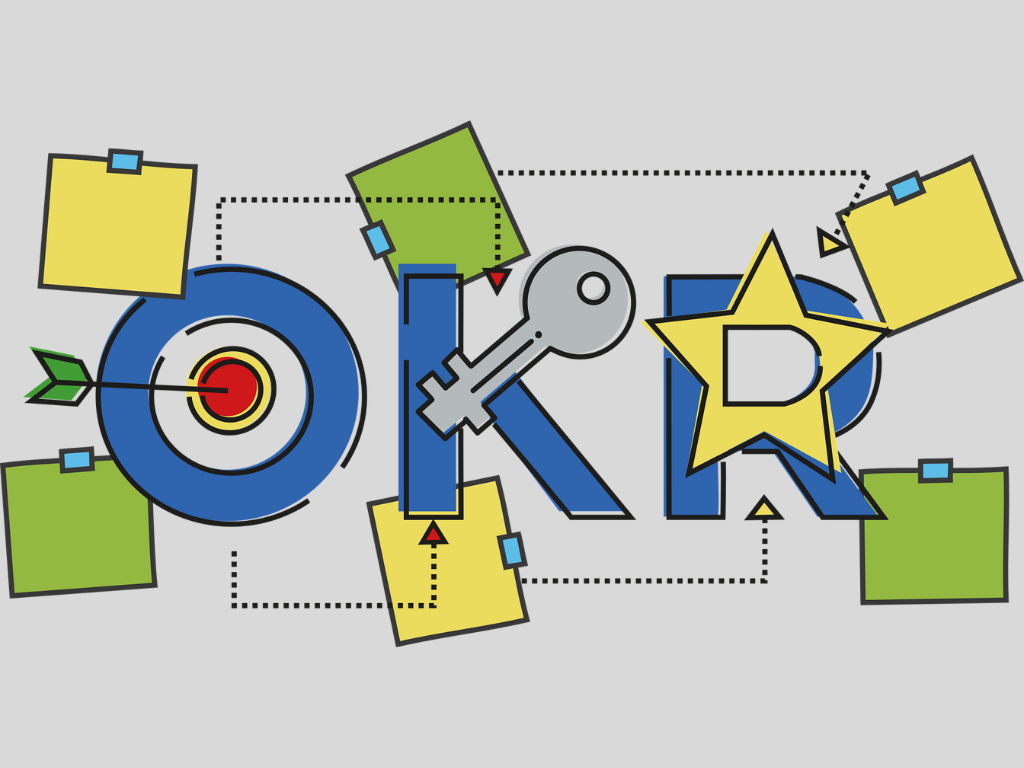
For entrepreneurs juggling rapid growth, lean resources, and shifting market demands, achieving alignment and transparency is critical. John Doerr’s Measure What Matters offers a framework for this through Objectives and Key Results (OKRs), a goal-setting system that has powered the likes of Google, Intel, and smaller startups alike. OKRs help businesses define what truly matters, create measurable targets, and most importantly, track progress publicly to drive accountability. The system hinges on four superpowers: focus, alignment, tracking, and stretch—each vital for building an engaged, productive team.
One of the most impactful elements for early-stage companies is the emphasis on visibility. OKRs are designed to be shared across the organization, fostering collaboration and removing ambiguity. Research shows employees are more than twice as likely to become high performers when their daily work is clearly linked to company goals. Tools like cloud-based OKR platforms further support this by turning goals into living documents—updated, reviewed, and scored in real time. Whether you're a five-person team or a scaling venture, OKRs offer a system for operational clarity, cultural alignment, and consistent performance, making them especially useful for founders aiming to sustain momentum through uncertainty.