
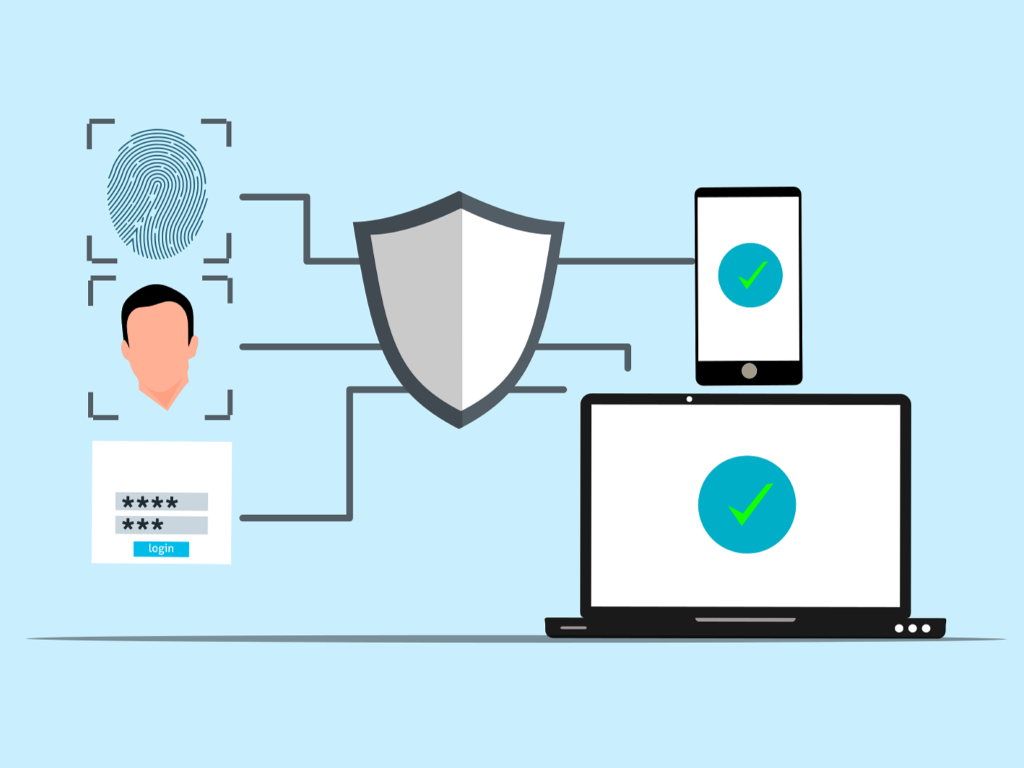
In 2025, customer trust depends heavily on how companies manage and protect sensitive data. High-profile data breaches in 2024 revealed how vulnerable personal and enterprise information remains, despite new global regulations. For business leaders, security is maintaining credibility and long-term viability. With rising consumer awareness and government scrutiny, protecting sensitive data must move beyond compliance and become a top-tier business strategy. This shift demands deliberate internal governance, reduced data collection practices, and transparency around how information is used.
Companies that treat cybersecurity as an operational cost risk eroding customer loyalty and damaging brand equity. Security needs to be integrated across all levels, from executive leadership to frontline teams. Tools like automated classification systems can help, but without a clear cultural commitment, technology alone won’t be enough. Regulatory frameworks such as DORA in the EU and recent U.S. privacy reforms have outlined the stakes but they’re only effective with active enforcement and company-wide buy-in. Entrepreneurs who prioritize data protection now will be better positioned to build sustainable, trustworthy brands in an increasingly privacy-conscious market. As consumer expectations shift, accountability and transparency are critical to staying in business.