
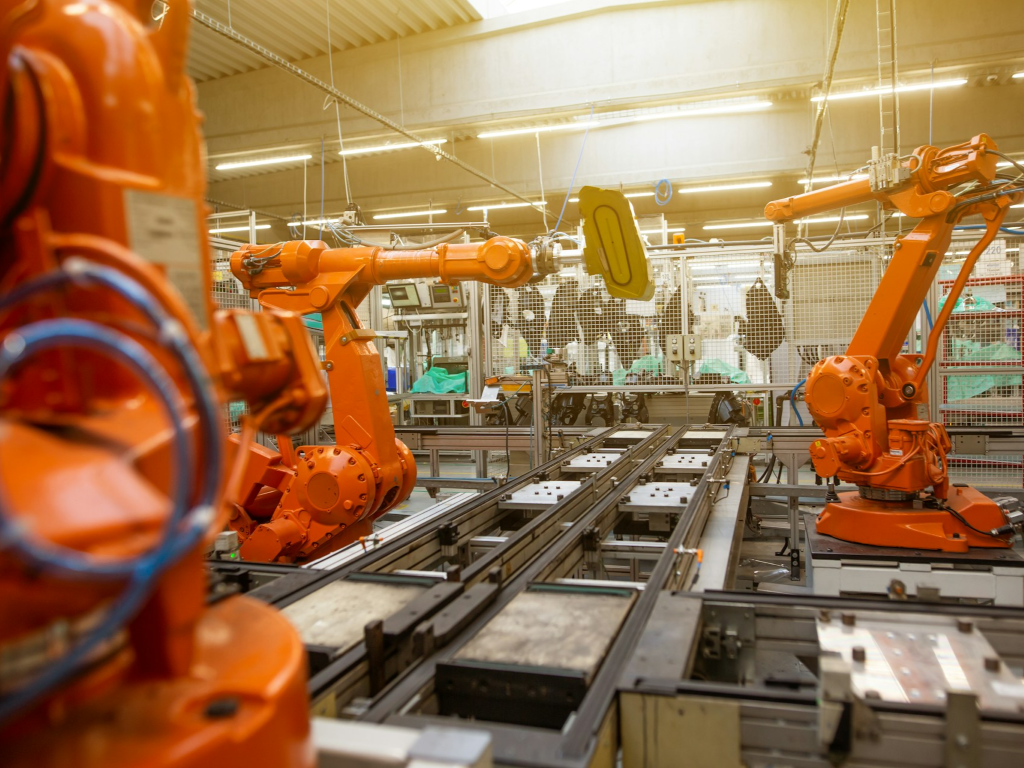
Smart manufacturing is no longer a futuristic concept, it is now driving measurable business results across production, talent acquisition, and operational efficiency. According to Deloitte’s 2025 Manufacturing and Operations Survey, 92% of executives believe smart manufacturing will be the leading factor in competitiveness over the next three years. Among those surveyed, the top reported gains include up to 20% improvement in output and productivity, fueled by core investments in automation, data systems, and upskilling. The shift is not just technological but strategic. Manufacturers are allocating more than 20% of their operational improvement budgets toward smart initiatives and focusing on internal capability building, such as quality management systems, factory synchronization, and active sensor networks.
Still, the transition isn’t without complications. Nearly half of manufacturers face challenges filling production, operations, and planning roles. The gap isn’t just in availability, it’s in equipping the workforce with the skills needed for the “Factory of the Future.” More than a third cited adapting workers to digital environments as a primary concern, while cybersecurity is another growing area of focus. Manufacturers are tackling risks head-on: 65% rank operational risk as their top concern, and nearly 16% of IT budgets are being spent on cyber defenses. Despite the complexity, the message is clear: leaders who invest in foundational technologies and targeted workforce development are those most likely to realize the full value of smart manufacturing.